Check if Your PayPal is Verified (2026 Guide — 3 Simple Steps)
Wondering if your PayPal account is verified? Check your status in 30 seconds. Step-by-step guide to link cards, confirm your identity, and remove limits. Updated for 2026.
Designed for AMM v2 (constant-product pools) — this calculation assumes Uniswap v2-style liquidity.
Impermanent Loss: $1.00 (-0.50%)
Interest Earned: $100.00 (50.00%)
Total With Interest: $299.00
Difference Versus Holding: $99.00 (49.50%)
Base token: the asset that is quoted as the numerator (e.g. ETH).
Quote token: the asset used to price the base token (e.g. USDC).
This calculator models impermanent loss for AMM v2 (constant-product) liquidity pools. It compares the value of holding the two tokens versus providing them as a liquidity pair, and includes optional staking rewards as simple interest.
This calculator supports both pairs of volatile assets (e.g. BTC/ETH) and mixed pairs where the quote is a stablecoin (e.g. ETH/USDC).
Example only — the calculation uses a simplified, linear model without fees, slippage, or concentrated liquidity. Real-world outcomes differ.
AMMs involve several risks. Read carefully and never invest more than you can afford to lose.
Do Your Own Research (DYOR): Check audits, liquidity, history of the protocol, and start with small amounts. This is for orientation only and is not financial advice.
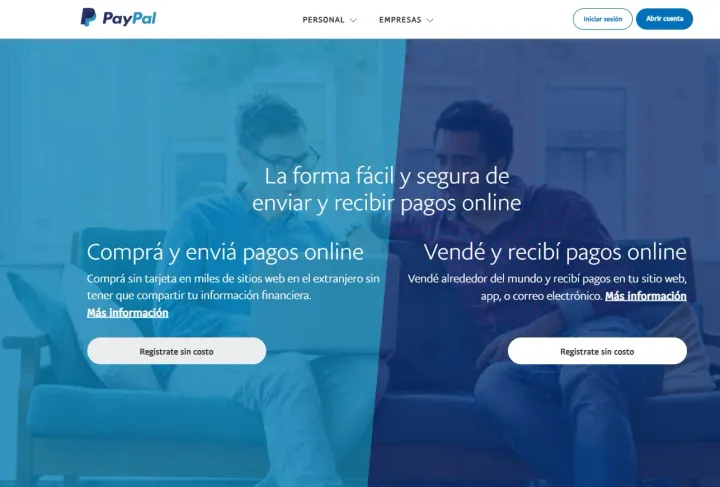
Wondering if your PayPal account is verified? Check your status in 30 seconds. Step-by-step guide to link cards, confirm your identity, and remove limits. Updated for 2026.
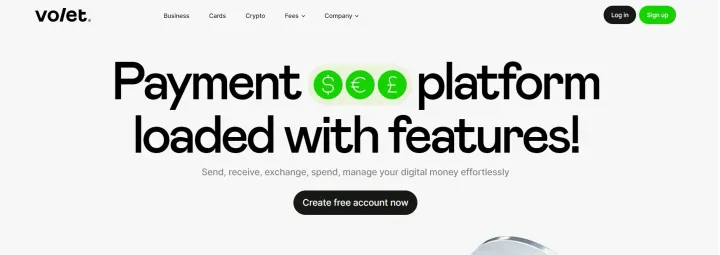
Volet.com is the ideal payment processor for Venezuelans. Receive money, pay on websites and withdraw to bank accounts or crypto.
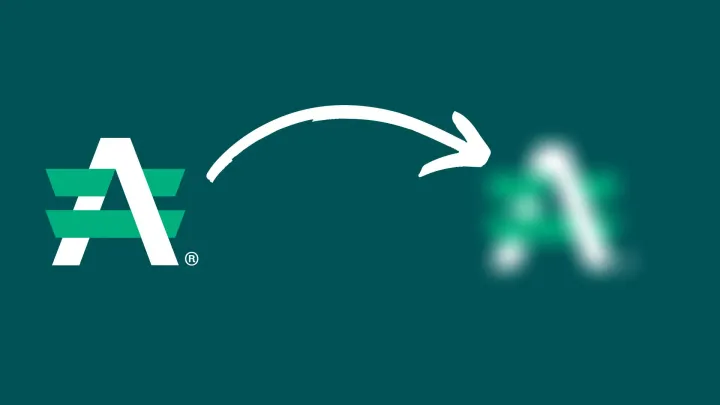
Advcash rebranded to Volet.com. Does it still work the same? Learn about new fees, features, and how Venezuelans can use Volet in 2026.
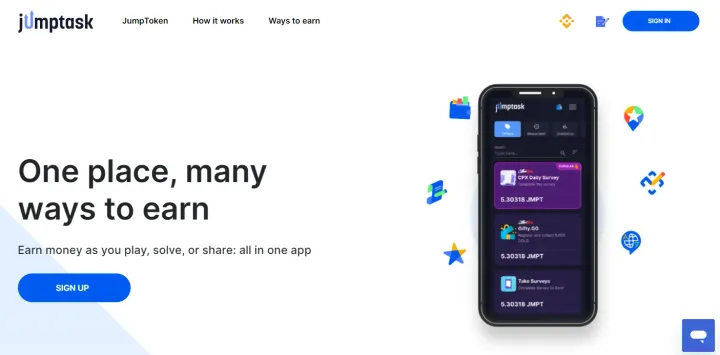
Learn how to cash out your Honeygain earnings to Binance using Jumptask. Step-by-step guide to withdraw with cryptocurrencies in Venezuela.